
The Evolution of Scent: A Journey Through Perfume Manufacturing History
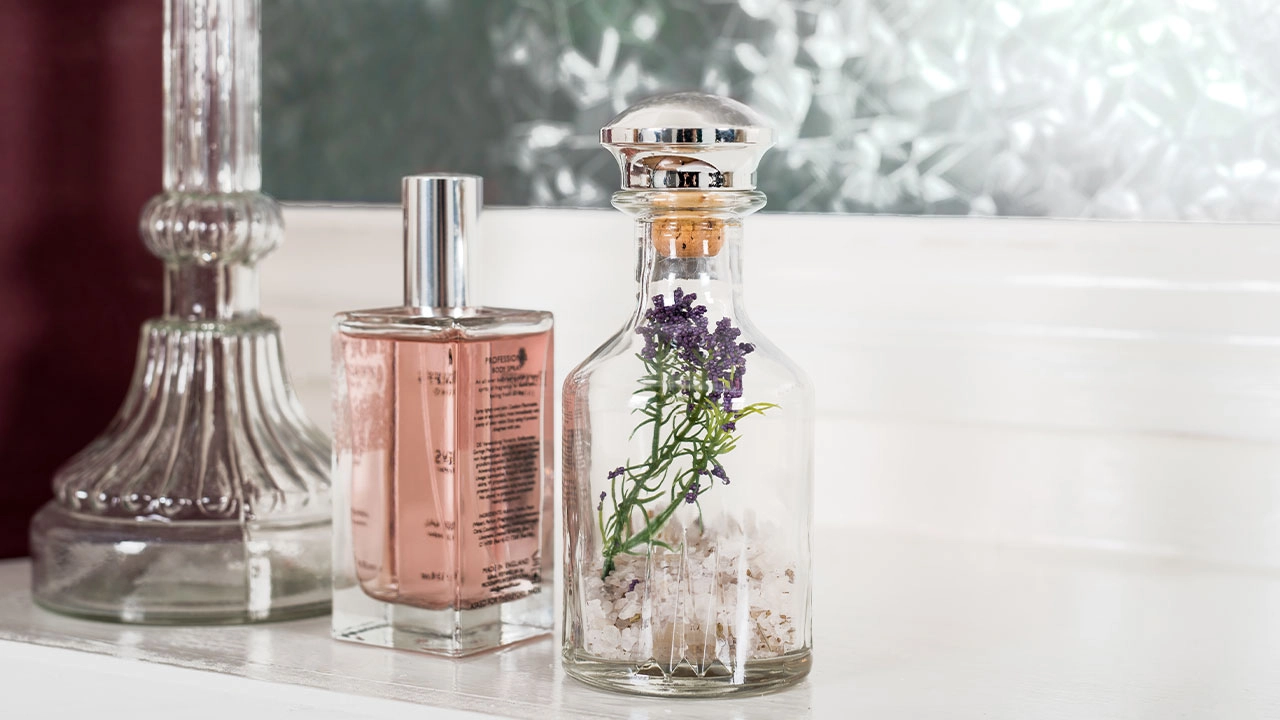
The history of perfumery is not merely the evolution of the sense of smell; it is the culmination of the interplay between human industrial civilization and aesthetics. From ancient Egyptian oil extraction methods to modern, sophisticated GC-MS molecular analysis, this article will take you on a journey through the history of perfume manufacturing, offering an in-depth analysis of how the craft has evolved from ancient alchemy into today’s multi-billion-dollar modern industry.
Perfume has been an integral part of human culture since ancient times. Beyond masking odors, it represents the pinnacle of civilization, wealth, and emotional expression. From sacred ritual incense to the precision-engineered masterpieces of today, perfume manufacturing history is a fascinating fusion of artistic vision and evolving chemical science.
1. The Origins: Sacred Alchemy in Ancient Egypt (4000 BC)
The roots of perfume manufacturing history begin in the temples of ancient Egypt. The Egyptians held deep reverence for scents, believing fragrances were the "sweat of the gods."
-
· The Artisanal Process: Early manufacturers utilized Enfleurage (soaking petals in fats) and crude distillation to extract essences from frankincense, myrrh, and sandalwood.
-
· Royal Symbolism: Queen Cleopatra famously used fragrance as a strategic tool for diplomacy and power, cementing the connection between luxury packaging and brand identity that we still see in the industry today.
2. Classical Antiquity: Greek & Roman Luxury
As trade routes expanded, ancient Greece and Rome transformed perfume into a symbol of social status.
-
The Greek Innovation: Greeks began documenting specific herb and floral combinations, moving toward a more structured approach to scent profiles.
-
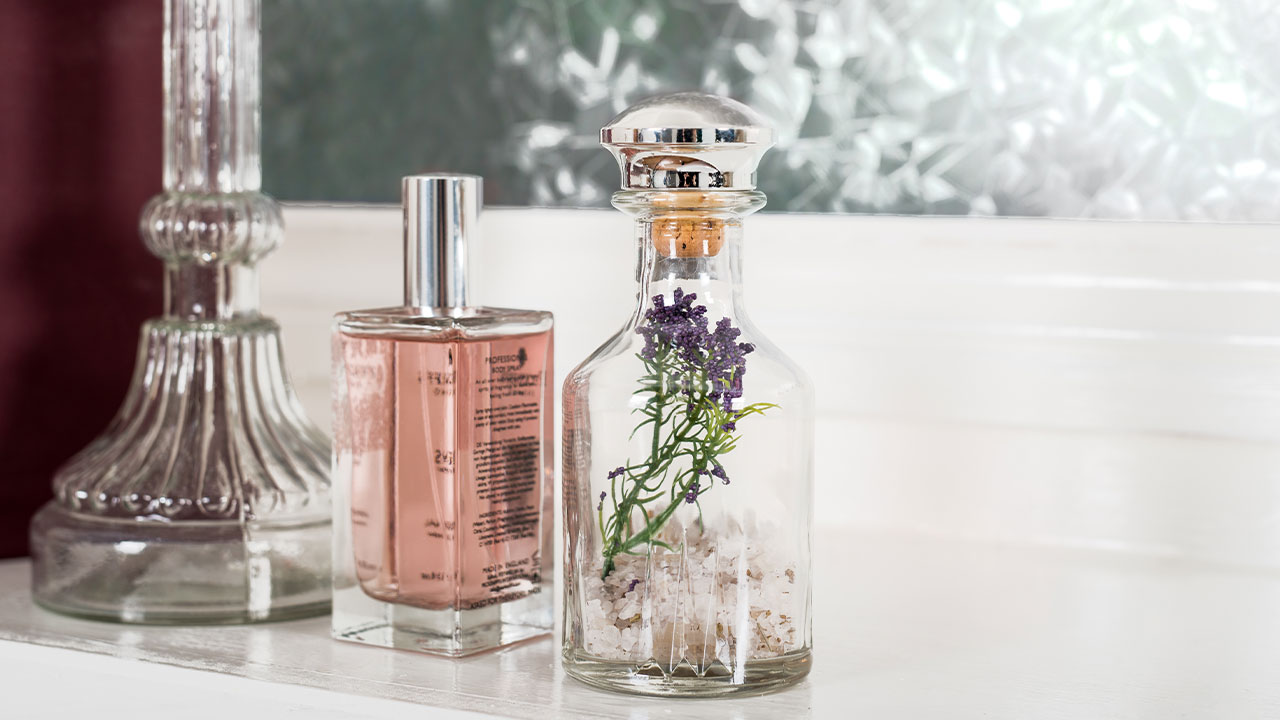
The Roman Bath Culture: Romans integrated essential oils into daily hygiene and architecture. They were the pioneers of using gold and silver glass vessels, laying the foundation for the custom perfume bottle industry.
3. The Renaissance: The Distillation Revolution
In the Middle Ages, Arab chemists refined the distillation process, allowing for the extraction of high-purity essential oils. This technology migrated to Europe during the Renaissance, with France and Italy emerging as the global hubs of production.
-
The Court of Versailles: Known as "the perfumed court," this era saw the birth of bespoke fragrance formulas for the aristocracy, driving the demand for more complex and stable olfactory products.
4. The Modern Era: The Fusion of Art and GC-MS Science
The 20th century marked a pivotal shift in perfume manufacturing history. The discovery of synthetic molecules allowed perfumers to create scents that didn't exist in nature, making luxury accessible to a global audience.
-
Chemical Precision: Today’s manufacturing relies on GC-MS (Gas Chromatography-Mass Spectrometry) to ensure molecular precision and batch consistency.
-
Global Standardization: Modern production is now governed by IFRA (International Fragrance Association) standards, ensuring that every bottle is safe, compliant, and sustainable.
Frequently Asked Questions (FAQ)
Q1: Why is understanding perfume manufacturing history important for new brands?
A: History provides the "storytelling" element essential for branding. Understanding how extraction methods evolved—from ancient resins to modern synthetics—helps brands choose the right positioning, whether they want to emphasize "heritage" or "innovation."
Q2: How has the manufacturing process changed regarding sustainability?
A: In the past, raw materials were often over-harvested. Today, the industry focuses on "Green Chemistry" and sustainable sourcing. Modern manufacturers (like Kartun) prioritize recyclable glass and biodegradable components to meet contemporary environmental standards.
Q3: What role does GC-MS technology play in modern perfume manufacturing?
A: GC-MS allows for fragrance replication and quality control with 100% accuracy. It ensures that the top, middle, and base notes of a 10,000-bottle batch remain identical to the original approved sample.
Q4: Are modern perfumes safer than those in history?
A: Yes. Historically, some ingredients were irritants. Today, all professional manufacturing must align with IFRA and EU/US regulatory standards, ensuring that every ingredient is tested for skin safety and environmental impact.
Q5: Can I customize a fragrance inspired by a specific historical era?
A: Absolutely. Through our OEM/ODM services, we can use modern technology to recreate the "olfactive vibe" of a specific era (e.g., a Victorian floral or an Egyptian spice blend) while ensuring the formula meets modern stability and safety requirements.
Recommended Articles

You May Also Like
Get in Touch with us
If you have any comments or good suggestions, please leave us a message; later our professional staff will contact you as soon as possible.
Integrating innovative technology and creative design, we craft a unique fragrance experience for your brand.
Facebook
Twitter
YouTube
VK
Instagram